November 4, 2026
Over-mulching can have a significant impact on commercial landscaping infrastructure. What seems like a simple service can actually have long-term impacts on your outdoor properties. Keep reaching to learn more about correct mulch application and its effects from our commercial landscapers.
The Role of Trees in Commercial Infrastructure
1. Enhancing Aesthetic Appeal for Businesses
Alluring landscapes created by a commercial landscaper's strategic tree planting can significantly improve a business's aesthetic appeal. A well-designed green space can attract more visitors and clientele by enhancing the visual appeal of commercial properties. Trees contribute texture, color, and structure to the landscape, harmonizing beautifully with the constructed environment. This can create a welcoming and relaxing atmosphere, making commercial areas more attractive to potential customers. Visually pleasing landscapes also encourage more pedestrian traffic, benefiting local businesses in the area.
Beyond enhancing a location’s beauty, trees have the potential to influence consumer psychology. Well-placed trees can create a sense of calmness, encouraging patrons to linger longer and potentially spend more. The scenic beauty of trees can also foster memorable experiences, encouraging positive word-of-mouth referrals. Furthermore, businesses perceived as environmentally conscious due to their well-maintained landscapes often enjoy a boost in reputation. This demonstrates that trees are not only ornamental assets but strategic investments in brand image and customer experience.
However, maintaining the aesthetic value of trees requires diligent care to prevent common issues such as over-mulching, which can lead to visual and health problems for trees. Proper maintenance practices from commercial landscapers ensure trees remain vibrant and healthy, sustaining their aesthetic contribution. Consistent trimming, pest management, and appropriate mulching are key to achieving this. Therefore, understanding and avoiding the pitfalls of over-mulching can enhance the long-term visual benefits trees provide. In summary, aesthetics, when combined with proper care, significantly enrich commercial spaces and attract consumers.
2. Economic Advantages: Property Value and Energy Savings
Incorporating trees into commercial properties can offer significant economic advantages, such as increasing property values. In the experience of our commercial landscapers, well-landscaped properties with mature trees are valued higher, sometimes by as much as 10-15% compared to those without. For commercial spaces, this increase can translate to profit through asset appreciation. Trees also provide shade that reduces energy costs, offering natural cooling systems that lower the need for air conditioning. This can lead to substantial savings, particularly in large commercial buildings with high energy demands.
In addition to direct savings, trees help retain clients and attract new business through enhanced property appeal. Businesses situated in well-treed areas often enjoy an increase in foot traffic, driving up sales revenue. Furthermore, energy savings are an attractive proposition for potential investors or buyers, making properties more marketable. The reduction in operational costs, coupled with increased property appeal, constitutes a strategic financial advantage. In essence, investing in trees is akin to investing in a property's financial robustness.
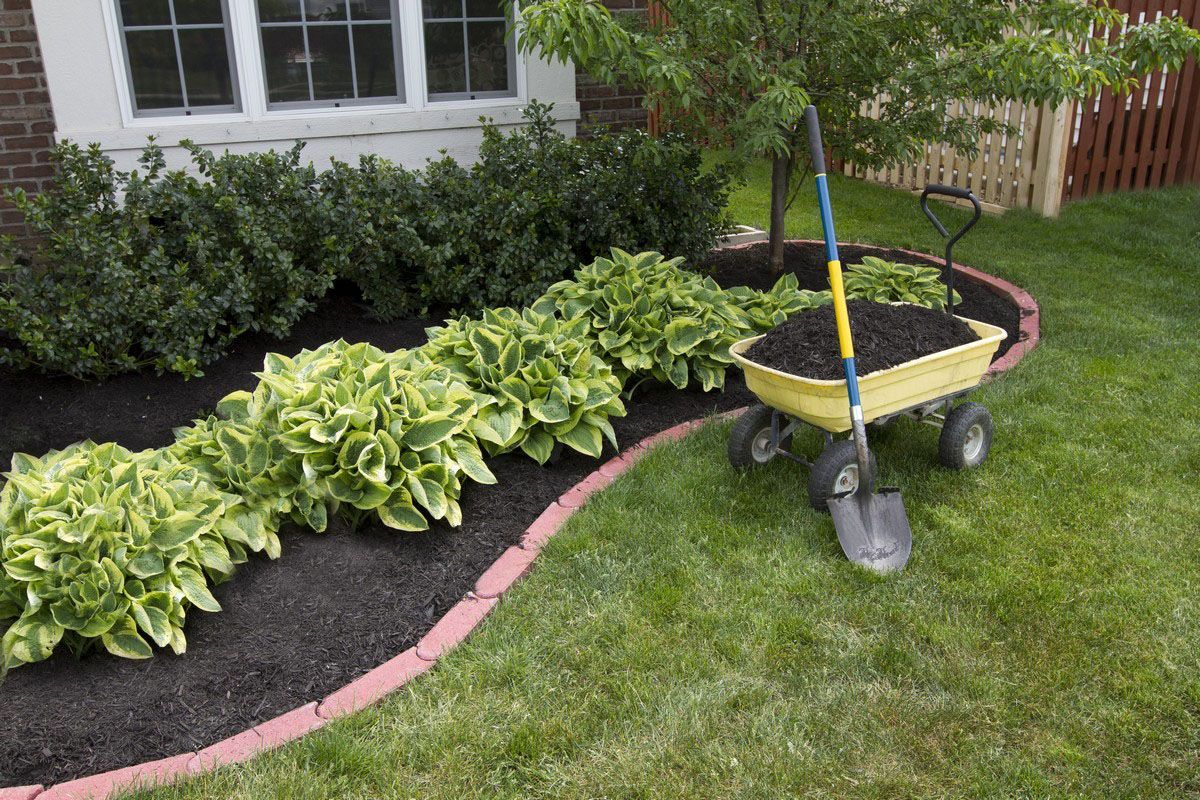
However, these economic benefits are contingent upon proper tree maintenance practices, such as avoiding over-mulching. Mismanaged trees can suffer health issues, diminishing both their aesthetic and economic value. Proper mulching techniques, as emphasized by experts like This Old House, involve maintaining optimal mulch depth: three inches for new beds and one inch for existing ones. Mismanagement through practices like over-mulching can increase maintenance costs and reduce energy-efficiency benefits. Hence, a focus on correct maintenance heightens the economic returns on investment in urban trees.
The Problems That Arise With Over-Mulching
1. Definition and Identification of Over-Mulching
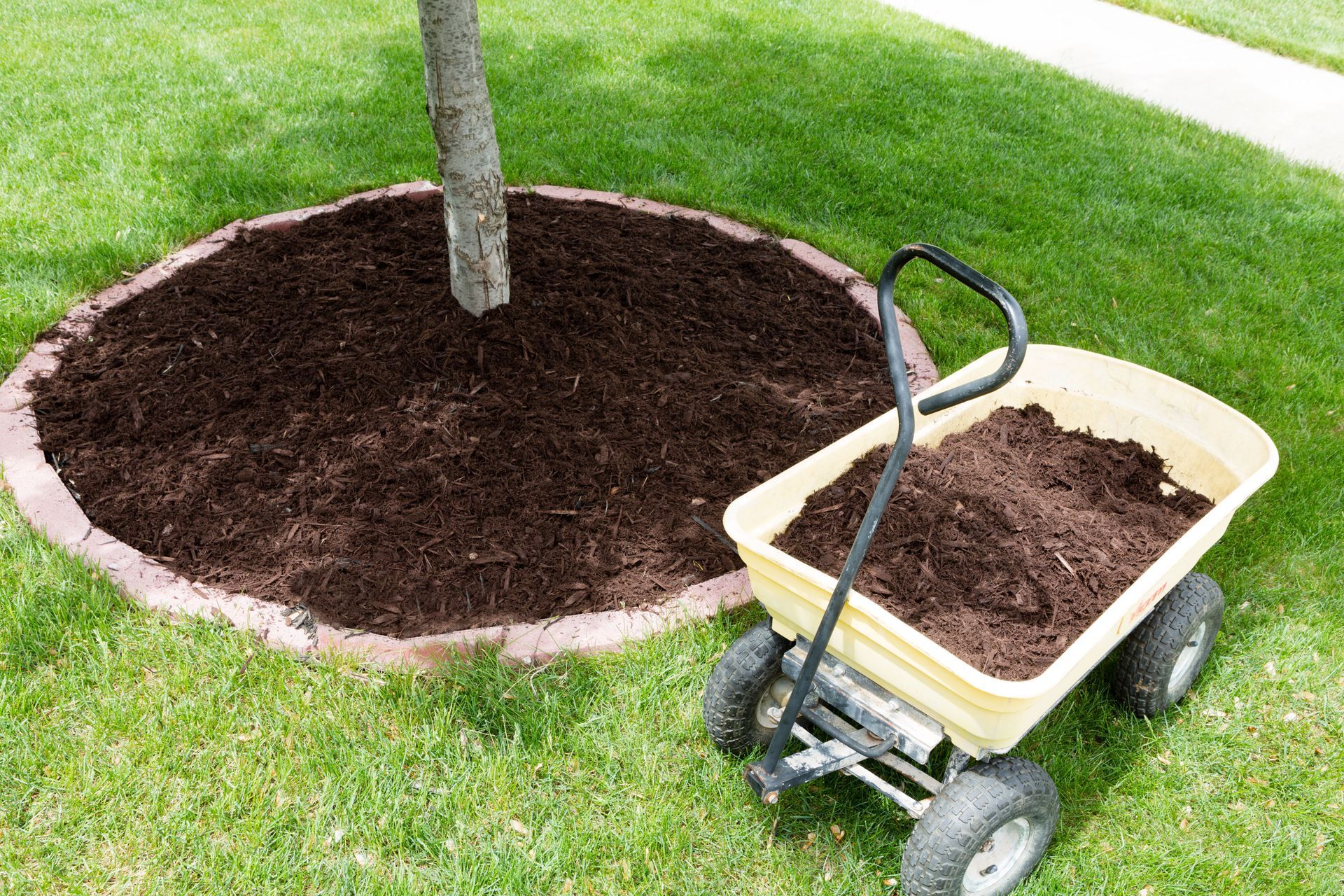
Over-mulching, the excessive application of mulch around trees, is a widespread problem in urban and commercial landscaping. Ideally, mulch is used to conserve soil moisture, suppress weeds, and improve soil quality. However, over-application leads to issues like poor gas exchange, excessive moisture accumulation, and root suffocation. Recognizing over-mulching involves identifying the height and spread of mulch compared to recommended practices. According to This Old House, commercial landscapers advocate for a mulch depth of no more than three inches for new beds and roughly one inch for existing ones.
Another identifier of over-mulching is the physical appearance of "volcano mulching," where mulch is piled up against the tree trunk. This creates a warm, moist environment conducive to pests, diseases, and rodent infestations. Beyond simply aesthetic issues, these mounds can cause serious harm to a tree’s health and longevity. The identification process of over-mulching involves both visual inspection and comprehension of tree health dynamics. Urban and commercial landscapes must remain vigilant to these indicators for prompt corrective action to be taken.
While mulch provides many benefits, excess amounts negate these positive effects and lead to trees' physiological stress. Trees require atmospheric oxygen to survive, and overly thick mulch layers hinder this vital airflow. Moreover, the excessive thickness can lead to water accumulation, promoting root rot conditions. It's imperative to approach mulching as a precise science where accurate measurements align with landscape needs. Relying on experienced commercial landscapers can minimize incorrect mulching practices and overhaul existing issues.
2. Common Misconceptions and Poor Practices
One common misconception about mulching is that more is better for tree health and appearance. Many assume that thick mulch layers provide more benefits, not realizing they impede essential air and water exchange to the tree roots. Furthermore, there is the mistaken belief that maintaining a mulch mound around the base of a tree prevents weed growth more effectively. Such misunderstandings often stem from a lack of professional landscaping knowledge, perpetuating poor practices. These assumptions can result in costly maintenance corrections and lost resources due to failing trees.
These misconceptions are compounded by improperly trained landscaping crews who may not be well-versed in best mulching practices. Property owners, often focused on aesthetics, might also instruct commercial landscapers to apply mulch heavily for enhanced visuals. Unfortunately, this visually appealing practice can mask the declining health of trees beneath excess mulch layers. The negative implications, including stress-induced susceptibility to disease and pests, can lead to expensive remediation. Conversely, educating staff and property managers can prevent these poor practices through informed decision-making.
The persistence of such misconceptions underscores the importance of standardizing knowledge on mulching practices. Providing accessible resources, like guidelines from experts such as This Old House, can lead to improved mulching outcomes. Implementing training sessions for landscaping teams about proper mulching depths and application can mitigate prevalent misunderstandings. Furthermore, clear communication between property owners and service providers ensures that misaligned expectations regarding mulch use are avoided. By addressing these misconceptions, commercial properties can safeguard against the costly ramifications of incorrect mulching.
3. Short and Long-term Effects on Tree Health
Over-mulching presents both immediate and extended consequences for tree vitality and overall landscape health. In the short term, excessive mulch causes root suffocation due to limited oxygenation and waterlogging. Trees can develop shallow roots that fail to anchor them properly, creating structural vulnerabilities. Over-mulched trees might appear healthy initially, but they face stunted growth and increased stress due to compromised root systems. This short-term damage can set the stage for more serious long-term implications.
Long-term effects of over-mulching include increased susceptibility to diseases and pests. Fungal infections thrive in the warm, moist environments promoted by excessive mulch, leading to rot and decay. Trees with weakened defenses become a target for further pest infestations, compounding maintenance costs and risks. Additionally, excessive mulch application often leaches essential nutrients from the soil, weakening trees over time. These conditions, if left unchecked, can eventually lead to tree decline or death, impacting the commercial landscape's aesthetic and economic values.
Unfortunately, the cumulative toll of over-mulching can necessitate costly interventions for property managers. The necessity of tree removal, replacement, or intensive remedial care emerges as a solution to reversed long-term damage. By recognizing and mitigating the detrimental impacts early, substantial cost savings and resource preservation can be realized. It is critical to emphasize education on mulching best practices within management and maintenance teams. Well-informed decisions about mulching can extend tree longevity, thus preserving the myriad benefits they impart.
To ensure your property receives correct mulching, contact Cox Professional Landscape Services, LLC. Our
commercial landscapers have been serving the region for over 25 years. We would love to assist you.