November 2, 2026
Commercial real estate assets represent substantial investments that demand continuous attention to preserve and grow their market standing. While property managers and asset directors allocate significant focus toward interior finishes, mechanical updates, and architectural retrofits, the surrounding outdoor environment plays an equal role in overall financial performance. The exterior perimeter of an office campus, retail center, medical facility, or multi-family community forms the initial touchpoint for prospective occupants, visitors, and investors. Strategic exterior oversight establishes immediate curb appeal, sets professional expectations, and signals meticulous building governance.
In competitive commercial markets, standard property upkeep is no longer sufficient to secure top-tier leases. Property stakeholders must treat outdoor physical grounds as active financial assets rather than routine overhead expenses. Implementing proactive commercial lawn maintenance services enables owners to protect structural installations, improve occupant satisfaction, and increase real estate valuation. By examining the direct relationship between exterior stewardship, occupant psychology, and long-term capital preservation, asset managers can implement proactive ground maintenance strategies that safeguard revenue streams and cultivate lasting tenant commitment.
Understanding the Financial Influence of Exterior Landscapes
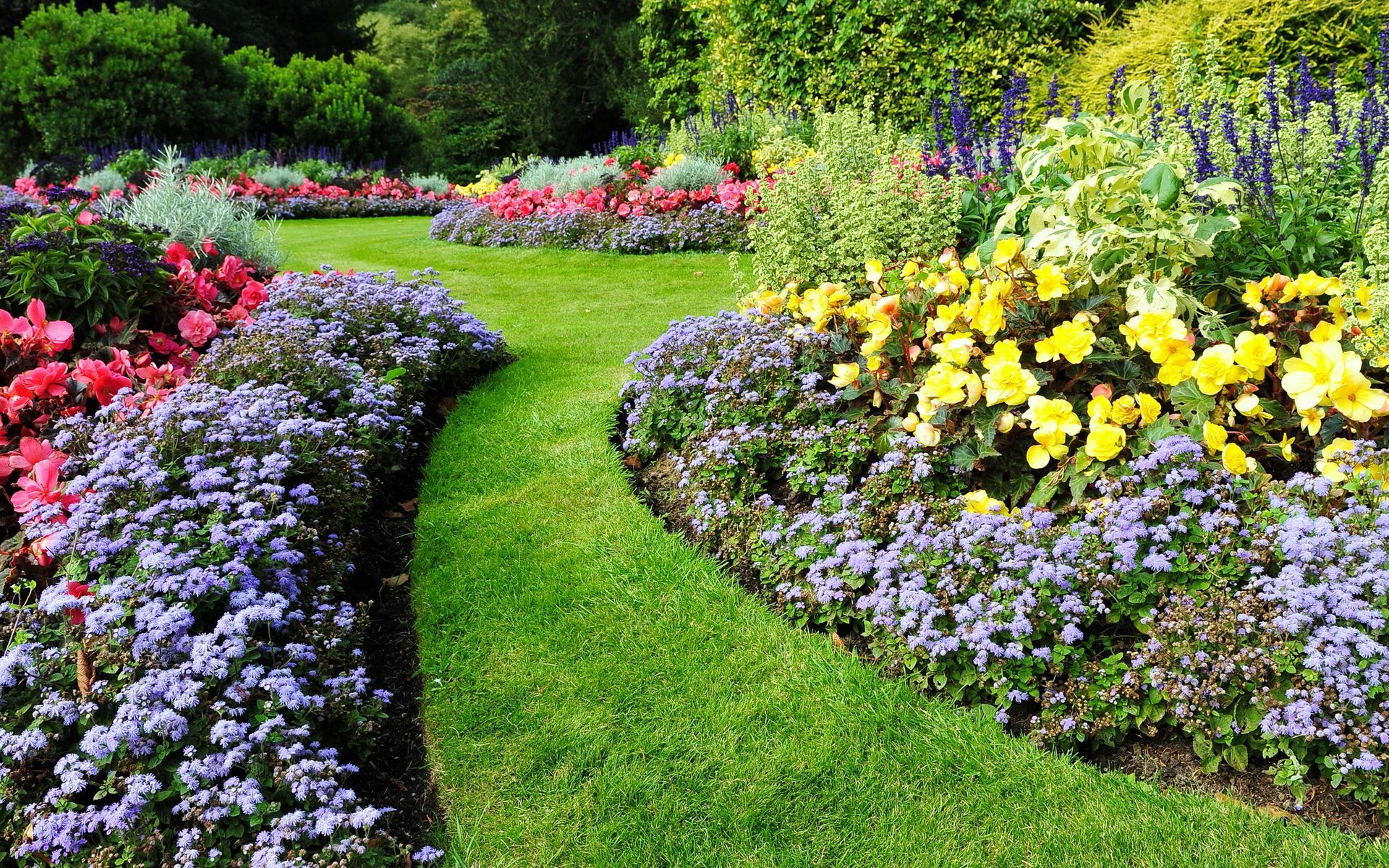
The visual presentation of a commercial property acts as an operational mirror, reflecting the care and governance dedicated to the entire premises. Potential tenants and visiting clients formulate strong perceptions regarding operational excellence before ever stepping through the lobby doors. Well-groomed turf, clean landscape borders, healthy tree canopies, and vibrant seasonal vegetation indicate a stable, well-managed facility. Conversely, yellowing turfgrass, cracked soil, overgrowth, and failing irrigation can suggest deferred maintenance, prompting prospects to question whether unseen mechanical systems receive adequate oversight.
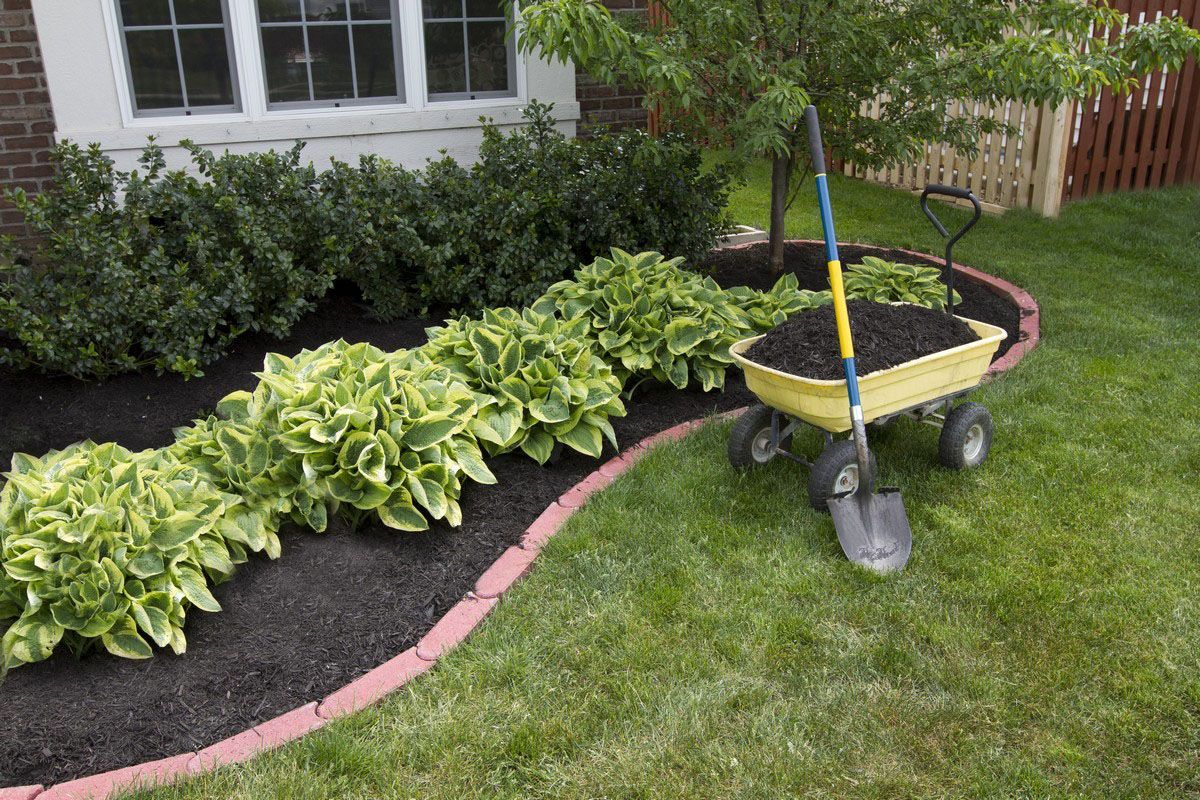
Beyond basic appearances, landscaping directly influences financial yields and capital appreciation. High-quality exterior upgrades contribute measurably to net operating income by supporting stronger rental rates and faster absorption during lease-up phases. Furthermore, according to research shared by Better Homes and Gardens, straightforward landscape enhancements have the capability to generate an extraordinary return on investment reaching as high as 200%. This substantial return demonstrates that systematic outdoor care serves as a measurable driver of capital appreciation rather than a dispensable operating budget line item. When asset managers prioritize disciplined commercial lawn maintenance services, they create sustained aesthetic equity that reinforces leasing negotiations, tenant satisfaction, and institutional appraisal value.
Examining the Mechanics of Tenant Retention
Tenant turnover represents one of the costliest financial challenges for commercial property owners. Empty commercial suites lead to rent concessions, tenant improvement outlays, leasing broker commissions, and lost base rent. Minimizing vacancies by retaining existing high-value leases is therefore essential for consistent cash flow. Outdoor amenities and exterior upkeep directly affect occupant morale, daily productivity, and organizational pride, making tenants far less inclined to relocate when lease renewals approach.
Fostering Pride and Corporate Identity
Corporate tenants, executive suites, and medical practices rely heavily on their physical location to reflect their own corporate reputation. When organizations invite high-profile clients, business partners, or patient communities to their physical locations, they expect the exterior setting to communicate competence and dependability. Unkempt turfgrass, dead branches, weed infestation, and faded ground cover undermine that organizational image. By integrating structured commercial lawn maintenance services, building managers provide tenants with an exterior environment that aligns with their corporate standard. Occupants experience pride in hosting external guests, which fosters a deeper emotional and contractual attachment to the commercial development.
Promoting Wellness and Outdoor Functionality
Modern commercial real estate trends place heavy emphasis on employee well-being, outdoor connectivity, and biophilic site design. Corporate campuses and mixed-use commercial developments increasingly incorporate outdoor lounge areas, shaded patio plazas, and walking paths into their property layouts. These spaces offer employees peaceful locations to take lunch breaks, hold walking meetings, and recharge during long workdays. Integrating disciplined commercial lawn maintenance services ensures these outdoor gathering spaces remain clean, functional, and visually inviting throughout each season. When a commercial property actively enhances daily employee work life, tenant executive leadership is much more likely to renew multi-year lease agreements.
Preserving Structural Assets and Mitigating Physical Liabilities
Comprehensive landscape stewardship extends beyond visual appeal by protecting underground infrastructure and eliminating commercial liability risks. Neglected outdoor features can deteriorate into significant structural, civil, and legal hazards that erode asset balance sheets. Proactive grounds management identifies minor irregularities before they cause costly property disruptions or emergency repairs.
Protecting Civil and Hardscape Infrastructure
Unchecked plant roots, poorly managed drainage paths, and erratic soil moisture can cause severe damage to hardscape assets. Runaway root systems easily heave pedestrian walkways, crack asphalt parking lots, dislodge curbs, and displace underground utility conduits. Furthermore, inadequate water runoff protocols can lead to building foundation shifting, basement water intrusion, and retaining wall destabilization. Consistent commercial lawn maintenance services monitor plant maturation and turf moisture balance to protect underlying physical investments. Addressing turf drainage, soil shifting, and clearance near concrete pathways extends the lifespan of expensive capital installations.
Eliminating Pedestrian Hazards and Liability Exposure
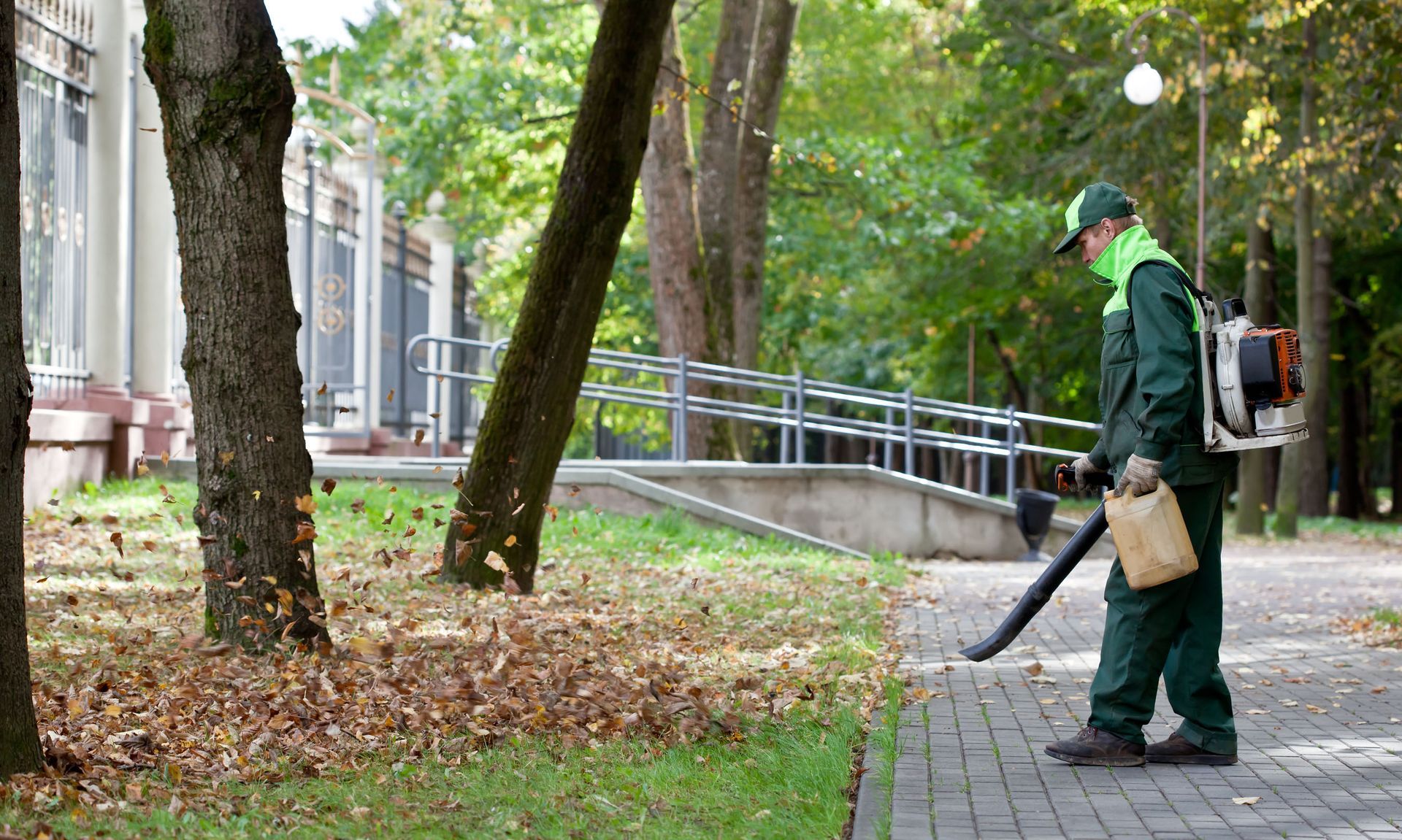
Property owners and facility management companies carry a clear legal obligation to provide a safe physical environment for employees, visitors, and vendors. Overgrown shrubbery near road intersections creates hazardous blind corners for vehicles, while uneven turf edges, surface roots, and scattered debris along walkways present substantial trip hazards. In addition, low-hanging dead tree limbs pose physical safety risks during severe wind events. Routine, scheduled commercial lawn maintenance services keep walkways clear, sightlines open, and pedestrian thoroughfares hazard-free. Mitigating these hazards minimizes premise liability exposures, reduces costly litigation risks, and supports favorable commercial insurance evaluations.
Enhancing Asset Valuation Through Environmental Efficiency
Modern institutional real estate investors evaluate commercial portfolios through the lens of operational efficiency and long-term sustainability. Thoughtful exterior ground management enhances water conservation, supports environmental stewardship, and reduces utility operating expenses, directly contributing to net operating efficiency.
Implementing Advanced Water Management and Irrigation Practices
Water usage constitutes a major operational expenditure for large commercial sites. Inefficient, outdated, or leaking irrigation equipment wastes millions of gallons of water annually while generating inflated utility bills. Modern grounds planning leverages certified water management protocols, smart flow sensors, rain sensors, and targeted drip irrigation to optimize water distribution across green spaces. Regular commercial lawn maintenance services incorporate system inspections that detect line breaks, faulty sprinkler valves, and misting nozzles early. Aligning irrigation runtimes with natural soil moisture requirements prevents water waste, protects root systems from rot, and stabilizes utility costs.
Integrating Sustainable Landscape and Xeriscape Design
Commercial asset owners are increasingly adopting sustainable landscape design and xeriscapes to minimize resource consumption and enhance regional climate adaptability. Integrating drought-tolerant native plants, deep-root ground covers, and stone mulch beds reduces recurring irrigation demands while presenting a refined, modern architectural appearance. Utilizing
commercial lawn maintenance services tailored toward sustainable turf management and xeriscapes lowers resource consumption while boosting environmental performance ratings. Institutional purchasers place a substantial premium on properties that operate with sustainable infrastructure and reduced environmental vulnerabilities.
Establishing Long-Term Grounds Governance
Maximizing exterior investment returns requires moving away from reactive, sporadic ground care toward comprehensive, long-term master planning. A structured exterior operational plan balances seasonal turf revitalization, soil testing, weed prevention, structural plant trimming, and continuous irrigation optimization. Regular property walks and detailed condition reviews allow grounds teams and property managers to align landscape performance with annual capital budgets.
By treating the surrounding grounds as an integral component of the building's structural footprint, owners maintain a decisive advantage in local leasing submarkets. Pristine turf, well-manicured grounds, and healthy landscape elements generate lasting neighborhood recognition that draws prospective occupants, supports premium rental rates, and elevates long-term appraisal values.
Exterior grounds management is an indispensable component of successful commercial real estate asset management. Far from being a cosmetic expense, deliberate landscape stewardship directly influences the financial metrics that govern property performance. Consistently well-kept exterior environments establish immediate leasing appeal, enhance tenant pride, encourage corporate retention, and protect physical infrastructure from unnecessary degradation. As the commercial real estate marketplace becomes increasingly competitive, asset managers who prioritize proactive exterior operations will continue to outpace competitors in both occupancy stability and portfolio market valuation. Contact Cox Professional Landscape Services, LLC to discover how dedicated commercial grounds solutions can elevate your property valuation and tenant retention.